Why Your Ceramic Coating is Streaking and How to Fix It in Ceramic Coating Valrico
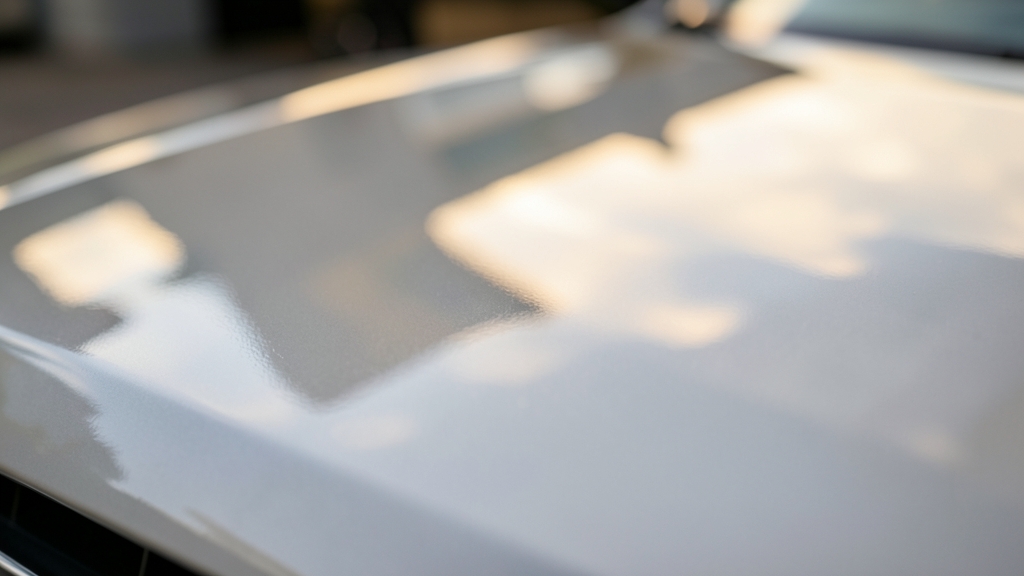
Streaks on a freshly applied ceramic coating are frustrating—and often preventable. In our Florida climate, high humidity and mineral-rich water can sabotage even the best applications. We’ll break down why streaks happen, how to fix them, and how to avoid them on your next full-vehicle ceramic coating or PPF installation.
What Causes Streaks in Ceramic Coatings?
Streaks usually stem from improper application or curing. Common culprits include residual polish oils, improper prep, or applying the coating in high humidity—something we see often in Valrico’s summer months.
Contaminants like hard water minerals or dust settling on the surface during curing can also create uneven bonding. Even the best ceramic coatings, like those we apply in Brandon or Lithia, won’t self-level over debris.
Using low-quality applicators or microfiber towels with embedded grit can drag particles across the paint, leaving visible lines. Always inspect your tools before starting.
Humidity and Temperature: Florida’s Unique Challenges
Valrico’s humidity can extend curing times, trapping moisture under the coating. Ideal conditions are 50-70°F with humidity below 50%. In our area, early mornings or climate-controlled bays are your best bet.
High temps cause the coating to flash too quickly, leading to uneven spreading. We’ve seen this issue pop up in Seffner and Bloomingdale during peak summer heat waves.
If you’re coating outdoors, monitor the forecast. Sudden rain or dew can introduce water spots that harden into streaks.
Applying ceramic coatings in direct sunlight can cause premature curing and streaking. Always work in shaded or controlled environments.
Prep Work: The Foundation of a Flawless Finish
90% of streaking issues trace back to poor prep. Paint correction and polishing must remove all swirls, oxidation, and contaminants before coating. Skipping this step may result in uneven adhesion.
A thorough decontamination wash with iron-removing preps and clay bars is non-negotiable. Even invisible rail dust or industrial fallout in Dover can disrupt bonding.
Final wipe-downs should use a pH-neutral prep spray and lint-free towels. Any residual silicone or wax will repel the coating, creating fish-eyes or streaks.
Essential Prep Steps
- Wash with pH-neutral soap and grit guards
- Decontaminate with iron remover and clay bar
- Perform paint correction (compound and polish) as needed
- Final wipe with isopropyl alcohol (IPA) solution
- Inspect under LED lighting for missed defects
Application Mistakes That Lead to Streaks
Over-applying product is a common mistake. Ceramic coatings should be spread in thin, even layers. Thick globs won’t level out and will cure with visible lines.
Using circular motions instead of straight, overlapping passes can create uneven texture. We train our team to work in small sections, maintaining wet edges.
Reapplying to dry spots or working too slowly can cause the coating to begin curing mid-application. Timing is critical, especially with professional-grade ceramics.
Curing: The Invisible Phase That Makes or Breaks Your Coating
Curing is where many DIYers lose the battle against streaks. Ceramic coatings cross-link with the paint over 24-48 hours, but full hardness can take weeks. Disturbing the surface during this time can etch streaks permanently.
Avoid washing or exposing the vehicle to water for at least 48 hours post-application. In Valrico, morning dew can be a silent enemy—park indoors if possible.
For fleet or commercial vehicle coatings, we often recommend extended curing times due to larger surface areas and varied usage conditions.
How to Fix Streaks After They’ve Cured
If streaks are minor and surface-level, a light polish with a finishing compound may restore clarity. Use a dual-action polisher and a mild abrasive to avoid damaging the coating.
For deeper streaks, spot-wet sanding with 2000-3000 grit sandpaper followed by re-polishing can blend the area. This requires precision—best left to professionals, especially on high-end vehicles in Lithia or Bloomingdale.
In severe cases, the coating may need to be stripped and reapplied. This is why we always stress proper prep and application for full-vehicle ceramic coatings or PPF installations.
Always test a small, hidden area before attempting to polish or sand cured ceramic coatings. Some coatings are harder than others and may require specific compounds.
Preventing Streaks in Future Applications
Invest in high-quality microfiber towels and applicators. Cheap materials shed fibers or hold grit, which transfers to the paint. We use plush, short-nap towels for final buffing.
Work in a clean, controlled environment. Even dust from nearby construction in Dover or Seffner can settle on fresh coatings. Use air filtration if possible.
Follow the manufacturer’s guidelines for product ratios and curing times. Professional-grade ceramics often have stricter requirements than consumer products.
Ceramic Coating vs. Wax: Why Streaks Differ
Unlike traditional waxes, ceramic coatings bond chemically with the paint. Wax streaks are usually superficial and can be buffed out, but ceramic coating streaks often require correction or reapplication.
Waxes fill in minor imperfections, while ceramics magnify them. This is why paint correction is critical before any ceramic application, whether it’s for a daily driver in Brandon or a show car in Valrico.
Ceramic coatings also last years, so any streaks will persist unless addressed. Wax, on the other hand, degrades in months, taking streaks with it.
| Factor | Ceramic Coating | Wax |
|---|---|---|
| Bonding | Chemical (permanent until removed) | Physical (temporary) |
| Streak Removal | Often requires polishing or reapplication | Usually buffs out |
| Longevity | 2-5+ years | 1-3 months |
| Prep Requirements | Mandatory paint correction | Basic wash and decontamination |
| Water Behavior | Extreme hydrophobicity (beading) | Moderate hydrophobicity (sheeting) |
How to Remove Light Streaks from a Cured Ceramic Coating
If your coating has minor streaks, follow these steps to restore a flawless finish.
- 1Gather Supplies
You’ll need a dual-action polisher, finishing polish (e.g., 3000-4000 grit), microfiber towels, and a spray bottle with distilled water.
- 2Test Area
Choose a small, hidden section. Apply a pea-sized amount of polish and work it in with the polisher at low speed.
- 3Work in Sections
Use slow, overlapping passes. Keep the pad flat and avoid excessive pressure to prevent burning through the coating.
- 4Inspect and Repeat
Wipe away residue with a clean microfiber towel. Inspect under bright light. Repeat if necessary, then move to visible areas.
- 5Final Protection
After correcting streaks, apply a ceramic spray sealant to restore hydrophobicity and add a sacrificial layer.
Frequently Asked Questions
Can I fix ceramic coating streaks myself?
For light streaks, yes—with the right tools and techniques. However, deep or widespread streaks often require professional correction. In Valrico, we recommend consulting an expert to avoid damaging the coating further.
How long do I have to wait to wash my car after a ceramic coating application?
Avoid washing for at least 48 hours to allow initial curing. In Florida’s humid climate, we often recommend waiting 72 hours to be safe, especially for full-vehicle ceramic coatings.
Why do streaks appear more in some areas of my car?
Streaks often show up on horizontal surfaces like hoods or roofs due to water pooling or dust settling during curing. Vertical panels may streak if the coating was applied unevenly or cured too quickly in direct sunlight.
Does the type of ceramic coating affect streaking?
Yes. Higher silica or titanium dioxide concentrations in professional-grade coatings can be more forgiving during application. Consumer-grade products often streak more easily due to thinner formulas and shorter working times.
Can hard water cause streaks in ceramic coatings?
Absolutely. Hard water minerals can deposit on the surface during curing, creating visible streaks. Always use distilled water for final rinses and avoid washing the vehicle until the coating is fully cured.
Is streaking covered under ceramic coating warranties in Ceramic Coating Valrico?
Most warranties cover defects in the product itself, not application errors. If streaks result from improper prep or curing, they’re typically not covered. Always request a quote and clarify warranty terms before application.