Valrico’s Road Grime vs. Your Ceramic Coating: A Survival Guide in Ceramic Coating Valrico
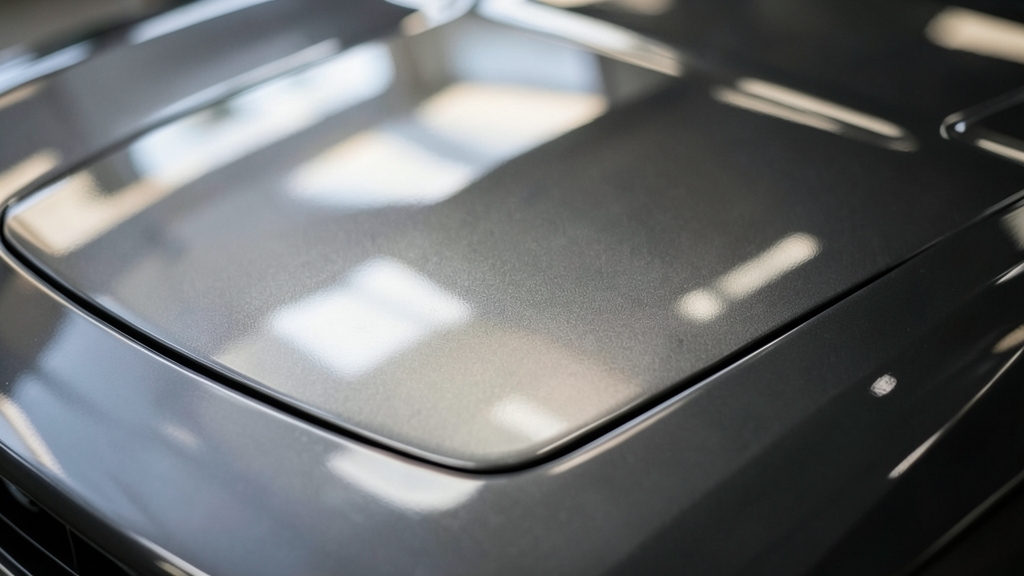
Valrico’s roads are a battleground for your vehicle’s paint—salt spray, brake dust, and relentless sun take their toll. We use nano-ceramic coatings to create an invisible shield that repels contaminants and preserves your finish. Here’s how to keep your car looking showroom-fresh in our tough Florida conditions.
Why Valrico’s Roads Are Tough on Your Paint
Florida’s humidity and frequent rain mean water spots and mineral deposits cling to your paint, etching the surface over time. Add in construction debris from I-75 and I-4, and your clear coat faces daily abrasion.
Brake dust from stop-and-go traffic in Brandon and Bloomingdale contains metallic particles that embed in paint, causing oxidation. Even a weekly wash can’t always reverse the damage once it starts.
How Ceramic Coatings Outperform Wax and Sealants
Traditional wax lasts weeks and offers minimal UV protection. Sealants hold up a bit longer but still degrade under Valrico’s intense sun and road salt.
Our ceramic coatings bond molecularly with your paint, forming a hydrophobic layer that lasts years—not months. They resist chemicals, UV rays, and even minor scratches far better than any wax or sealant.
| Protection Type | Durability | UV Resistance | Hydrophobic Effect | Scratch Resistance |
|---|---|---|---|---|
| Ceramic Coating | 2-5+ years | Excellent | Extreme | Moderate |
| Synthetic Sealant | 4-6 months | Good | Moderate | Low |
| Natural Wax | 1-2 months | Fair | Mild | None |
The Hidden Threats: Brake Dust and Industrial Fallout
Valrico’s proximity to industrial zones in Dover and Lithia means airborne contaminants settle on your vehicle. These particles are acidic and accelerate paint deterioration if not removed properly.
Brake dust, especially from high-performance vehicles common in Seffner, contains iron oxide. It fuses with your clear coat under heat, creating stubborn stains that require paint correction before coating.
Applying ceramic coating over swirl marks or oxidation locks in imperfections. Our team always starts with paint correction to ensure a flawless foundation.
How Ceramic Coatings Work at a Molecular Level
Nano-ceramic polymers fill the microscopic pores in your paint, creating a glass-like layer. This layer is what gives ceramic coatings their signature gloss and slickness.
The hydrophobic effect means water beads up and rolls off, taking dirt and grime with it. In Valrico’s rainy season, this self-cleaning property keeps your car looking newer longer.
Beyond the Paint: Full-Vehicle Protection
We don’t stop at the body. Wheel and brake caliper ceramic coatings prevent brake dust from sticking, making cleanup a breeze. This is especially valuable for drivers in Bloomingdale, where dusty roads are common.
Interior ceramic protection guards against UV fading and stains on leather, vinyl, and plastics. Headlight restoration and coating improve visibility and resist yellowing from Florida’s sun.
Areas to Consider for Ceramic Coating
- Full-vehicle exterior paint
- Wheels and brake calipers
- Windows (ceramic tint for UV and heat rejection)
- Interior surfaces (dash, seats, door panels)
- Headlights and taillights
Ceramic Coating vs. Paint Protection Film (PPF)
Both offer long-term protection, but they serve different purposes. PPF is a physical barrier that absorbs impacts from road debris, while ceramic coatings provide chemical and UV resistance.
Many Valrico drivers opt for both: PPF on high-impact areas (hood, bumper, fenders) and ceramic coating everywhere else for a comprehensive shield. This combo is popular among enthusiasts in Lithia and Brandon.
Applying ceramic coating over PPF enhances gloss and makes the film easier to clean. Ask our team about this power duo for your vehicle.
Maintaining Your Ceramic Coating in Valrico’s Climate
Even with a ceramic coating, regular maintenance is key. Use pH-neutral car shampoos to avoid stripping the coating. Automatic car washes with harsh brushes can cause swirl marks—stick to touchless or hand washes.
Every 6-12 months, a maintenance spray or booster can refresh the hydrophobic properties. In areas like Seffner, where pollen is heavy in spring, more frequent rinses help prevent buildup.
Fleet and Commercial Vehicles Need Protection Too
Businesses in Valrico and Dover rely on their fleets for daily operations. Ceramic coatings reduce downtime by making vehicles easier to clean and protecting them from harsh working conditions.
For commercial trucks and vans, we offer tailored packages that include undercarriage coatings to combat rust from road salt and moisture. This extends the life of your investment significantly.
How to Prep Your Car for Ceramic Coating
Proper preparation is 90% of a successful ceramic coating application.
- 1Deep Clean and Decontaminate
Start with a thorough wash using a clay bar to remove embedded contaminants. This step is critical for vehicles exposed to Valrico’s industrial fallout.
- 2Paint Correction
Use compound and polish to remove swirl marks, scratches, and oxidation. This ensures the coating bonds to a smooth, flawless surface.
- 3Final Cleanse
Wipe down the paint with an isopropyl alcohol solution to remove any remaining oils or residues. This step helps ensure a clean slate for the coating.
- 4Apply in a Controlled Environment
Ceramic coatings cure best in a dust-free, temperature-controlled space. Avoid applying in direct sunlight or high humidity, common in Florida afternoons.
- 5Cure Time
Allow the coating to cure for at least 24-48 hours. During this time, keep the vehicle dry and away from contaminants.
Frequently Asked Questions
How long does ceramic coating last in Valrico’s climate?
With proper care, our ceramic coatings last 2-5+ years. Florida’s UV exposure and humidity can shorten this slightly, but regular maintenance extends longevity. Request a quote to discuss options tailored to your vehicle.
Can ceramic coating prevent rock chips?
Ceramic coatings add a hard layer that resists minor scratches, but they won’t stop rock chips. For impact protection, we recommend combining ceramic coating with paint protection film on high-risk areas.
Is ceramic coating worth it for older cars in Ceramic Coating Valrico?
Absolutely. Older vehicles benefit from the UV protection and easier cleaning, which can restore and preserve their appearance. Paint correction before coating can make an older car look years newer.
Do I still need to wash my car after ceramic coating?
Yes, but less frequently. The hydrophobic effect repels dirt, but regular washing with pH-neutral products keeps the coating performing at its best. In Valrico, bi-weekly washes are ideal during pollen season.
Can I apply ceramic coating myself?
DIY kits exist, but professional application ensures even coverage and proper curing. Our team has the tools and experience to handle paint correction and coating without missing spots or causing streaks.
Does ceramic coating work on matte or satin paint finishes?
Yes, but it requires a specialized matte-specific ceramic coating. These products maintain the flat finish while providing the same protection. We offer this service for custom and luxury vehicles in Brandon and Seffner.