The Truth About Hazy Ceramic Coatings and How to Avoid Them in Ceramic Coating Valrico
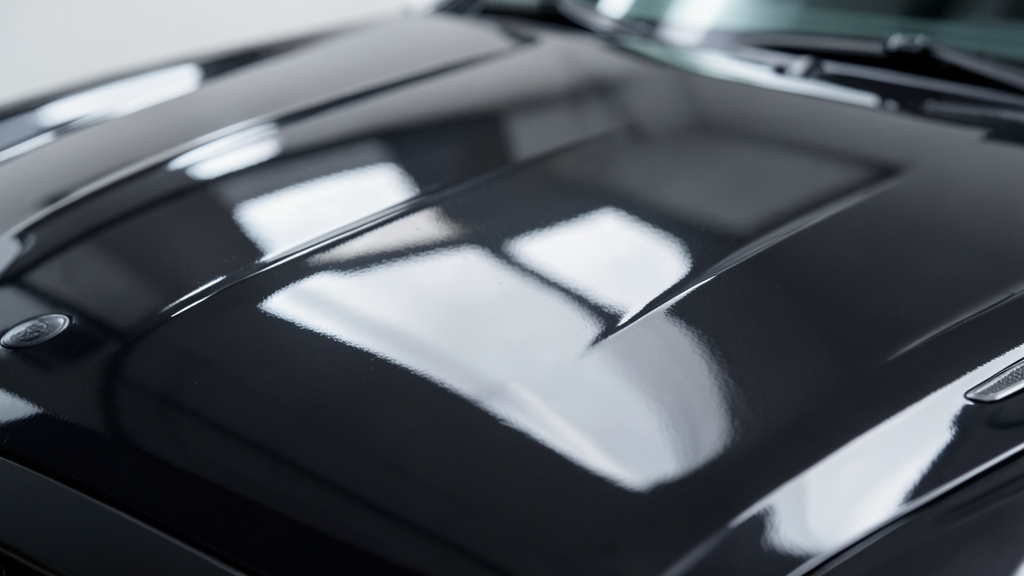
Hazy ceramic coatings are a common frustration in Florida’s heat and humidity. We’ve seen it firsthand—what should be a mirror-like finish turns dull or cloudy. The fix starts long before the coating touches the paint, with meticulous prep and climate-controlled application.
Why Ceramic Coatings Turn Hazy in Florida’s Climate
Haze often stems from improper curing. In Valrico’s high humidity, moisture can trap between the coating and clear coat, creating a milky film. Even top-tier 9H coatings aren’t immune if the environment isn’t controlled.
Another culprit: residual oils or polish compounds left on the surface. SiO2 nanoparticles bond to whatever’s on the paint—contaminants included. That’s why we insist on a thorough IPA wipe-down pre-application.
UV exposure accelerates oxidation if the coating isn’t fully cured. Florida’s intense sun means we often extend curing times beyond the manufacturer’s baseline.
Never apply ceramic coatings above 60% humidity. In Valrico, we monitor conditions in real time and reschedule if needed.
Prep Work: The Hidden 80% of a Flawless Finish
Paint correction isn’t optional—it’s mandatory. Swirl marks, water spots, or orange peel texture will be locked in under the coating. We use multi-stage polishing with diminishing abrasives to achieve a true glass-smooth surface.
Decontamination goes beyond clay bars. Iron removers and deep-cleaning APCs pull embedded rail dust and industrial fallout from the pores. Skipping this step can lead to haze.
For vehicles in Brandon or Seffner with heavy oxidation, we often add a light compounding stage. But we never sacrifice clear coat thickness—measured with a paint gauge before and after.
Ceramic Coating Types and Their Haze Risks
Not all coatings haze equally. Consumer-grade spray-on products lack the purity and density of professional 9H formulations. Their lower SiO2 content and higher solvent ratios make them prone to clouding.
Professional coatings vary too. Some hybrid ceramics cure faster but are less forgiving in humid conditions. Pure silica-based coatings offer better clarity but demand precise flash times.
| Coating Type | SiO2 Content | Haze Risk | Best For |
|---|---|---|---|
| Consumer Spray-On | 10-30% | High | DIY touch-ups |
| Hybrid Ceramic | 40-60% | Moderate | Quick detailer applications |
| Professional 9H | 70-90% | Low | Full-vehicle protection |
| Graphene-Infused | 80%+ | Very Low | Extreme durability |
Application Mistakes That Cause Clouding
Over-applying product is a classic error. Excess coating won’t level out—it’ll pool and cure unevenly, creating hazy patches. We apply in thin, even layers, working in 2x2-foot sections.
Inconsistent flash times are another issue. If the coating sits too long before buffing, it starts curing prematurely. Too short, and it won’t bond properly. We follow the manufacturer’s specs to the second.
Cross-contamination from applicators or towels can introduce oils. We use lint-free, high-GSM microfiber and designate separate towels for coating and prep.
In Valrico’s heat, we often reduce flash times by 10-15% to prevent premature curing. Always test on a small panel first.
Curing: The Most Overlooked Step in Ceramic Coating Valrico
A coating isn’t finished when it’s applied—it’s finished when it’s cured. In Florida, we recommend 24-48 hours of indoor curing before exposing the vehicle to rain or sun. For full hardness, some coatings need up to 30 days.
Forced curing with infrared lamps can speed the process, but it’s risky in high humidity. We only use this method in climate-controlled bays for high-end jobs in Bloomingdale or Lithia.
Avoid washing the car for at least 7 days post-application. Even pH-neutral soaps can disrupt the bonding process if the coating isn’t fully set.
Post-Application Care to Prevent Haze
Maintenance matters. Using harsh detergents or automatic car washes strips the hydrophobic layer, leading to premature degradation. We recommend pH-balanced shampoos and the two-bucket method.
Regular decontamination is key. Iron particles and water spots can etch the coating over time. A monthly spray-on ceramic booster helps replenish hydrophobic properties.
For vehicles in Dover or other rural areas, we advise more frequent inspections. Dust and pollen are abrasive and can dull the finish if not removed properly.
When Haze Happens: Can You Fix It?
If the haze is surface-level, a light polishing with a finishing pad and fine polish can restore clarity. But this risks thinning the coating. We only attempt this on coatings thicker than 2 microns.
For deep haze caused by improper bonding, the coating may need to be removed and reapplied. This requires a clay bar or light compounding—never harsh solvents that damage the clear coat.
Prevention is always cheaper than correction. That’s why we include a post-installation inspection in every full-vehicle ceramic coating service.
Haze Recovery Steps
- Assess depth: Is it surface or embedded?
- Test a small area with a finishing polish
- If unresolved, consult a professional for removal
- Reapply with proper prep and curing
Beyond Coatings: Complementary Protection for Valrico Vehicles
Ceramic coatings pair well with other protective services. Paint Protection Film (PPF) adds a physical barrier against rock chips, while ceramic window tint reduces heat and UV damage inside the cabin.
For wheels and brake calipers, we offer dedicated ceramic coatings to resist brake dust and high-temp discoloration. Interior ceramic protection keeps dashboards and leather from fading under Florida’s sun.
Fleet vehicles in Ceramic Coating Valrico benefit from commercial-grade coatings with enhanced chemical resistance. We tailor solutions for work trucks, delivery vans, and even RVs.
How to Inspect for Haze Before It’s Too Late
Catching haze early can save you from a full redo.
- 1Wash and Dry the Vehicle
Use a pH-neutral shampoo and dry with a clean microfiber towel. Water spots can mimic haze, so ensure the surface is spotless.
- 2Check Under Direct Light
Park under a bright light or sunlight at an angle. Haze often appears as a dull, milky film, especially on darker paints.
- 3Run the Water Test
Mist water on the surface. A healthy coating will bead tightly. If water sheets or leaves residue, the coating may be failing or hazy.
- 4Inspect High-Wear Areas
Focus on the hood, roof, and front bumper—these areas take the most abuse. Swirl marks or cloudiness here often indicate larger issues.
- 5Compare to Untreated Panels
If possible, compare to an uncoated section (like inside the door jamb). The difference in clarity and reflectivity will be obvious.
Frequently Asked Questions
Can a hazy ceramic coating be polished out?
Yes, but only if the haze is surface-level and the coating is thick enough. We use a light finishing polish and inspect the thickness afterward. If the haze is embedded, removal and reapplication is the only solution.
How does Valrico’s humidity affect ceramic coating durability?
High humidity slows curing and can trap moisture, leading to haze or reduced longevity. We mitigate this with climate-controlled application bays and extended curing times. Proper prep is non-negotiable in Florida.
Is haze more common with DIY ceramic coating kits?
Absolutely. DIY kits often lack the purity and precision of professional-grade products. Without proper prep, application, and curing, haze is almost inevitable. We’ve corrected many DIY jobs in Brandon and Seffner.
How long should I wait to drive after a ceramic coating application in Ceramic Coating Valrico?
We recommend waiting at least 12-24 hours before driving, and avoiding rain or car washes for 7 days. This allows the coating to begin bonding without interference from contaminants or water.
Does ceramic window tint prevent haze like paint coatings do?
Ceramic window tint resists fading and discoloration, but it’s a different product. It won’t haze like a poorly applied paint coating, but it still requires professional installation to avoid bubbles or peeling.
How can you maintain a ceramic coating in Florida’s climate?
Wash weekly with pH-neutral soap, use a ceramic booster spray every 2-3 months, and decontaminate with iron remover as needed. Avoid automatic car washes and park in the shade to minimize UV exposure.