How to Clean Wheels and Tires Without Damaging Your Ceramic Coating in Valrico in Ceramic Coating Valrico, FL
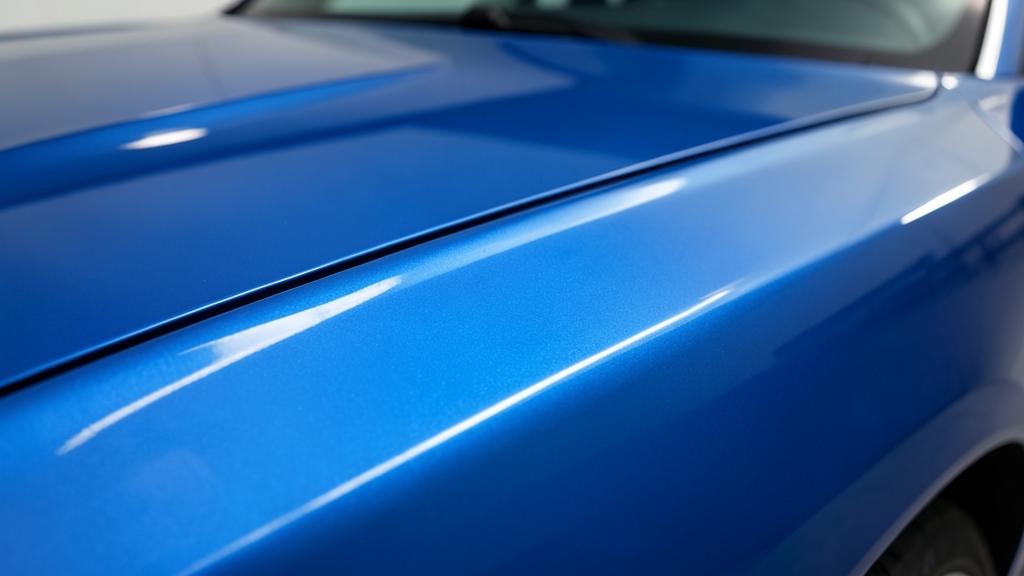
Ceramic coatings on wheels and tires repel grime and brake dust, but the wrong cleaning products or techniques can degrade the finish. In Valrico’s humid, dusty conditions, proper maintenance is key to longevity. We’ll show you how to clean safely without stripping or scratching the coating.
Why Wheels and Tires Need Special Care with Ceramic Coating
Wheels and tires endure the harshest conditions: brake dust, road salt, and Florida’s relentless UV exposure. Ceramic coatings here face constant assault, so cleaning must be gentle yet effective.
Brake dust contains iron particles that embed in the coating if not removed promptly. Standard wheel cleaners often use acids or alkalis that break down ceramic bonds over time.
Never use acid-based or alkaline wheel cleaners, degreasers with harsh solvents, or abrasive brushes. These strip ceramic coatings and leave wheels vulnerable.
Pre-Cleaning: The Rinse and Decontamination Step
Start with a thorough rinse using a pressure washer or hose to remove loose debris. Use the wide-angle nozzle to avoid concentrating pressure on one spot, which can lift coating edges.
Apply a pH-neutral iron remover spray to wheels and tires. Let it dwell for 2-3 minutes—it’ll turn purple as it dissolves embedded iron from brake dust. This step is critical in Valrico, where dust accumulates quickly.
The Right Tools and Products for Coated Wheels
Use microfiber wash mitts or soft-bristle brushes designed for wheels. Avoid stiff brushes or steel wool, which can scratch the coating’s hydrophobic layer.
Opt for pH-balanced wheel shampoos and ceramic-safe tire cleaners. Brands like Gyeon, CarPro, and Adams offer formulas that clean without compromising the coating’s integrity.
| Product Type | Safe for Ceramic Coating? | Notes |
|---|---|---|
| pH-neutral wheel shampoo | Yes | Gentle, preserves hydrophobic properties |
| Iron remover spray | Yes | Dissolves brake dust without acids |
| Acid-based wheel cleaner | No | Breaks down ceramic bonds |
| Alkaline degreaser | No | Strips coating over time |
| Microfiber mitts | Yes | Soft, non-abrasive |
| Steel wool or stiff brushes | No | Scratches coating surface |
The Two-Bucket Method: A Non-Negotiable for Valrico’s Dusty Roads
Fill one bucket with soapy water and the other with clean rinse water. Dip your mitt in the soap bucket, wash a section, then rinse it in the clean water bucket before reloading with soap.
Use grit guards in both buckets to trap dirt at the bottom. This prevents swirl marks and coating damage from re-deposited grime—a must for Valrico’s sandy roads.
For baked-on brake dust, use a ceramic-safe clay bar or clay mitt after the iron remover. Lubricate with detailer spray to avoid marring the surface.
Drying and Finishing Touches for Long-Lasting Protection
After rinsing, dry wheels and tires with a plush microfiber towel. Avoid air drying, as water spots can leave mineral deposits that etch into the coating over time.
Apply a ceramic-boosting spray or quick detailer to restore hydrophobicity. For tires, use a water-based dressing (avoid petroleum-based products) to maintain a natural look without harming the coating.
Maintenance Schedule for Ceramic-Coated Wheels in Valrico
Wash wheels and tires every 1-2 weeks, or immediately after driving on dusty roads like those near Bloomingdale or Lithia. Brake dust builds up fast in Florida’s heat.
Reapply a ceramic boost spray every 3-4 months to refresh the hydrophobic layer. For wheels with heavy brake dust exposure, consider a dedicated wheel ceramic coating top-up annually.
Common Mistakes That Damage Ceramic Coating on Wheels
Using automatic car washes with harsh brushes is a top offender. These can scratch the coating and reduce its lifespan, especially on wheels.
Letting brake dust sit for weeks allows it to bond with the coating, making removal harder and risking permanent staining. In Valrico’s climate, this happens faster than you think.
Avoid These to Protect Your Coating
- Automatic car washes with brushes
- Acidic or alkaline cleaners
- Abrasive scrubbing pads
- Petroleum-based tire dressings
- Letting brake dust accumulate for more than a week
How to Safely Clean Ceramic-Coated Wheels and Tires
Follow these steps to clean your wheels and tires without compromising the ceramic coating’s durability.
- 1Rinse Thoroughly
Use a pressure washer or hose to remove loose dirt and brake dust. Keep the nozzle 12-18 inches away to avoid damaging the coating.
- 2Apply Iron Remover
Spray a pH-neutral iron remover on wheels and tires. Let it dwell for 2-3 minutes, then rinse off. This step is critical for Valrico’s high-brake-dust areas.
- 3Wash with pH-Neutral Shampoo
Use a soft microfiber mitt and the two-bucket method to wash wheels and tires. Work in sections, rinsing the mitt frequently.
- 4Decontaminate (If Needed)
For stubborn grime, use a ceramic-safe clay bar or mitt with detailer spray as lubrication. Gently glide over the surface to pick up embedded contaminants.
- 5Rinse and Dry
Rinse all cleaner residue thoroughly. Dry with a plush microfiber towel to prevent water spots, which can etch into the coating over time.
- 6Apply Ceramic Boost or Tire Dressing
Spray a ceramic boost product on wheels to refresh hydrophobicity. For tires, use a water-based dressing to maintain a clean, non-greasy finish.
Frequently Asked Questions
Can I use the same ceramic coating for wheels as I do for the paint?
Wheels require a specialized ceramic coating formulated to withstand higher temperatures and brake dust. Paint coatings lack the heat resistance needed for wheels. We recommend dedicated wheel ceramic coatings for Valrico’s stop-and-go traffic.
How do I know if my wheel ceramic coating is damaged?
Signs include reduced hydrophobicity (water no longer beads), visible scratches or hazing, and brake dust sticking more than usual. If you notice these, a professional inspection in Valrico or nearby Brandon may be needed.
Is it safe to use a foam cannon on ceramic-coated wheels?
Yes, as long as the foam is pH-neutral and ceramic-safe. Foam cannons help loosen grime before contact washing, reducing the risk of scratches. Just avoid high-pressure settings that can strip the coating.
What’s a good way to clean brake calipers with ceramic coating?
Use the same pH-neutral cleaners and methods as wheels. Avoid scrubbing too hard—brake calipers often have intricate designs where grime hides. A soft brush and iron remover work best.
Does ceramic coating on wheels prevent brake dust buildup entirely?
No, but it significantly reduces it. Ceramic coatings make brake dust easier to rinse off, but regular cleaning is still required, especially in Valrico’s dusty conditions. For maximum protection, pair with Paint Protection Film on high-impact areas.
Can I apply a new ceramic coating over an existing one on my wheels?
Not without proper prep. The existing coating must be stripped or polished off first to ensure adhesion. This is a job best left to professionals, particularly for wheels where precision matters.