How to Choose the Right Ceramic Coating Installer in Ceramic Coating Valrico
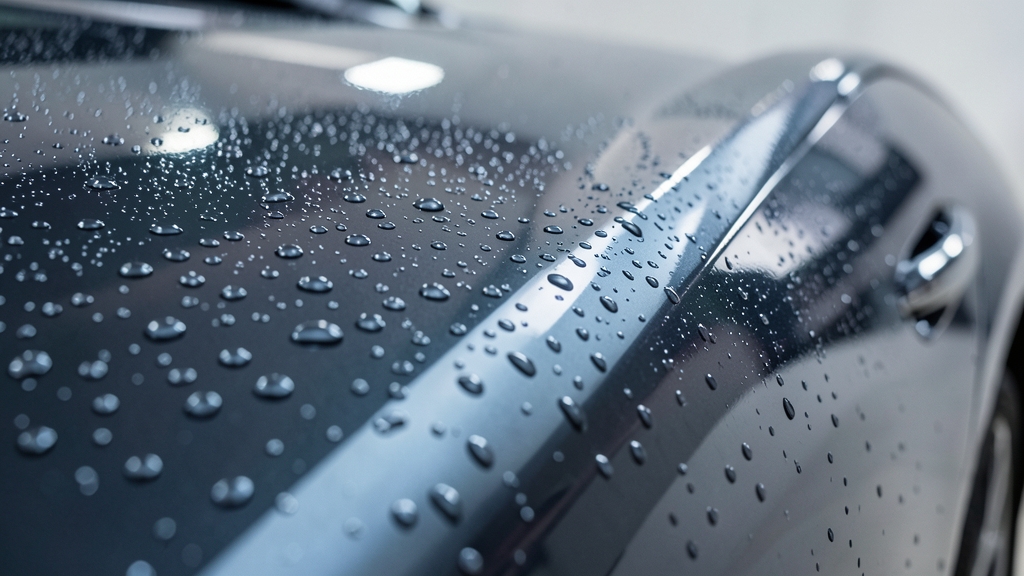
Not all ceramic coating installers deliver the same durability or finish. In Valrico’s humid climate, improper prep or application can leave your paint vulnerable to water spots, UV fading, or premature failure. We’ll show you how to separate the pros from the pretenders.
Why Installer Skill Matters More Than the Product
High-quality nano-ceramic polymers like Gtechniq, Ceramic Pro, or CarPro Cquartz can last 2–5+ years—but only if applied correctly. A botched job can trap contaminants, create holograms, or fail within months.
Valrico’s intense sun and frequent rain demand meticulous surface prep. Even top-tier coatings won’t bond properly to paint with embedded iron, oxidation, or old wax.
Avoid installers who skip paint correction or decontamination. These steps are non-negotiable for longevity.
Certifications and Training: What to Look For
Reputable installers hold certifications directly from coating manufacturers. These programs cover proper prep, application techniques, and curing protocols specific to each product line.
Ask for proof of training—not just a generic ‘certified’ badge. Brands like Ceramic Pro and Gtechniq provide verifiable credentials. Local shops serving Brandon or Seffner often display these in their detailing bays.
The Prep Process: Non-Negotiable Steps
A thorough decontamination starts with a foam wash, iron remover spray, and clay bar treatment. This removes embedded rail dust and industrial fallout common in Valrico’s suburban areas.
Next comes paint correction: compounding and polishing to eliminate swirls, scratches, and orange peel. A gloss meter and paint thickness gauge should be used to ensure safe, effective work.
Finally, the surface must be wiped down with a panel prep solution to remove oils and residues. Skipping this step risks poor adhesion and early coating failure.
Essential Prep Steps
- Two-bucket wash with pH-neutral soap
- Iron remover spray (e.g., P&S Brake Buster)
- Clay bar or clay mitt decontamination
- Paint thickness measurement (to avoid over-polishing)
- Multi-stage polishing (compound, polish, finishing polish)
- Final wipe-down with isopropyl alcohol or dedicated panel prep
Coating Application: Technique and Environment
True professionals apply coatings in a climate-controlled bay. Valrico’s humidity can sabotage curing, leading to streaks or uneven bonding. Ideal conditions: 60–75°F with 40–60% humidity.
Application should be done in small sections using a foam applicator or microfiber pad. Cross-hatching ensures even coverage. Excess product must be removed immediately to prevent high spots or hazing.
Coating Types: Comparing Consumer vs. Professional Grades
Consumer-grade coatings (e.g., spray-on products) last 6–12 months and offer basic hydrophobic properties. They’re fine for DIY touch-ups but won’t withstand Florida’s UV or frequent car washes.
Professional-grade coatings (e.g., 9H-rated products) require multi-layer application and last 2–5+ years. They provide superior UV protection, chemical resistance, and self-cleaning effects.
| Feature | Consumer-Grade | Professional-Grade |
|---|---|---|
| Durability | 6–12 months | 2–5+ years |
| Hydrophobic Effect | Moderate | Extreme (beading & sheeting) |
| UV Protection | Basic | High (90%+ UV block) |
| Chemical Resistance | Low (pH 4–10) | High (pH 2–12) |
| Application Skill Required | Minimal | Expert-level prep & technique |
| Cost Factors | Low (materials only) | Higher (labor, prep, layers) |
Warranty and Aftercare: What’s Covered?
A legitimate warranty covers defects in the coating itself—not damage from improper washing, accidents, or neglect. Most manufacturer-backed warranties require annual inspections to maintain coverage.
Ask for written terms. Some local installers in Bloomingdale or Lithia offer in-house warranties, but these vary widely. Always confirm if the warranty is transferable if you sell the vehicle.
Request a copy of the warranty upfront. If the installer hesitates, that’s a sign to walk away.
Portfolio and References: Proof of Work
Insist on seeing before-and-after photos of vehicles similar to yours. Look for consistency in gloss, depth, and water behavior across different colors and paint types.
Ask for references from clients in Valrico, Dover, or nearby areas. A reputable installer will happily connect you with past customers. Pay attention to how the coating holds up after 6–12 months in Florida’s climate.
Questions to Ask Before Committing
Do you perform paint correction as part of the service? If not, the coating will lock in existing imperfections.
What products do you use, and are you certified by the manufacturer? Avoid generic or unbranded coatings.
How do you handle overspray or mistakes? A pro will have a plan for correction without damaging the finish.
Can you provide a detailed quote breaking down prep, coating layers, and labor? Transparency is key.
How to Inspect a Ceramic Coating Job Before Driving Off
A final walk-around can save you from a subpar application.
- 1Check for High Spots or Streaks
Run your fingers lightly over the surface in good lighting. Any roughness or visible lines indicates poor leveling.
- 2Test Water Behavior
Use a spray bottle to apply water. It should bead tightly and sheet off cleanly. Poor hydrophobic response suggests incomplete curing or thin application.
- 3Inspect Under Direct Sunlight
Look for holograms, swirls, or haze. These flaws mean the prep or polishing wasn’t done properly.
- 4Verify All Areas Are Covered
Check door jambs, under the hood, and wheel wells if included. Missed spots are a sign of rushed work.
- 5Review the Warranty Document
Ensure it’s signed, dated, and includes the installer’s contact info, product used, and coverage terms.
Frequently Asked Questions
How long does a professional ceramic coating last in Valrico’s climate?
With proper prep and application, a professional-grade coating typically lasts 2–5 years in Florida. The extreme UV and humidity can shorten this slightly, but annual maintenance washes help extend longevity. Always request a quote to discuss your vehicle’s specific needs.
Can a ceramic coating be applied over existing PPF or vinyl wraps?
Yes, but the PPF or wrap must be clean, fully cured, and free of defects. Some installers in Brandon or Seffner specialize in coating over PPF for added hydrophobic properties. However, the coating won’t bond as strongly as it would to factory paint.
What’s the difference between ceramic coating and wax or sealant?
Ceramic coatings form a permanent chemical bond with the paint, offering years of protection. Waxes and sealants sit on the surface and last weeks to months. Coatings also provide far superior UV protection, chemical resistance, and hydrophobic effects.
Do ceramic coatings prevent all scratches and swirls?
No. While they add a hard layer (9H on the pencil scale), they won’t stop rock chips or deep scratches. For full protection, pair a coating with Paint Protection Film (PPF) on high-impact areas like the front bumper and hood.
How do I maintain my ceramic coating after installation?
Wash your vehicle every 2 weeks with a pH-neutral car shampoo and microfiber mitts. Avoid automatic car washes with harsh brushes. Use a ceramic-safe quick detailer for touch-ups. Annual inspections by your installer can help catch issues early.
Is ceramic coating worth it for older cars in Ceramic Coating Valrico?
It depends on the paint’s condition. If the clear coat is heavily oxidized or peeling, a coating won’t restore it. However, for well-maintained older vehicles, a coating can revive gloss and add years of protection. A paint correction may be needed first.