DIY vs. Professional Ceramic Coating: What Valrico Drivers Need to Know in Ceramic Coating Valrico, FL
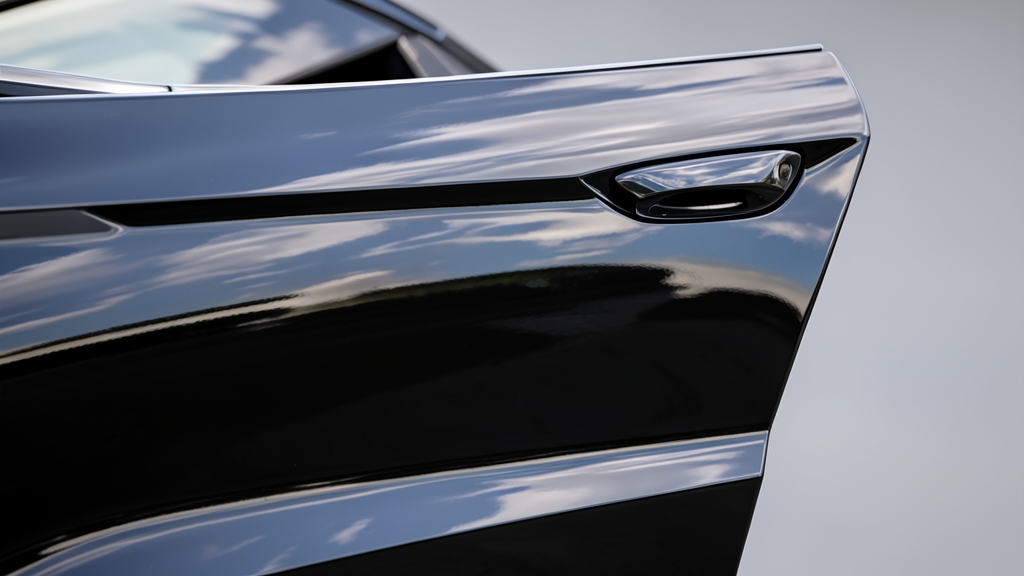
Ceramic coatings promise years of gloss and protection, but the difference between a weekend DIY job and a professional installation is night and day. In Valrico’s harsh sun and humidity, cutting corners can cost you more in the long run.
What Ceramic Coating Actually Does for Your Car
A true ceramic coating is a nano-ceramic polymer that chemically bonds to your vehicle’s clear coat, creating a hydrophobic, UV-resistant layer. It’s not wax or sealant—it’s a semi-permanent shield.
It repels water, contaminants, and UV rays, reducing oxidation, water spotting, and fading. Properly applied, it enhances gloss and makes washing easier for 2 to 5 years.
The DIY Ceramic Coating Process: What You’re Up Against
DIY kits require meticulous prep: thorough washing, decontamination with iron remover and clay bar, and often paint correction to remove swirls or scratches. Skip a step, and the coating won’t bond properly.
Application demands a dust-free environment, precise product amounts, and even coverage. Uneven layers or missed spots lead to streaking, hazing, or premature failure.
Applying too much product or overlapping sections can cause high spots, streaks, or even peeling. This is a common DIY mistake that’s nearly impossible to fix without redoing the entire panel.
Why Professional Installation Delivers Superior Results
Our team starts with a paint thickness gauge to assess the clear coat’s condition. This ensures we don’t over-polish, which can permanently damage your paint.
We use industrial-grade polishers, compounds, and lighting to achieve a flawless finish before coating. This level of paint correction is nearly impossible with consumer tools.
Professionals apply coatings in a controlled, climate-controlled environment. Humidity and temperature in Valrico can sabotage DIY attempts, leading to improper curing.
DIY vs. Pro: A Head-to-Head Comparison
The choice often comes down to time, skill, and the level of protection you need. Below, we break down the key differences to help you decide.
| Factor | DIY Ceramic Coating | Professional Ceramic Coating |
|---|---|---|
| Prep Work Quality | Limited by tools/skill; risk of missed contaminants or improper correction | Full paint correction, decontamination, and thickness checks for optimal bonding |
| Application Precision | Prone to streaks, high spots, or uneven coverage | Even, consistent layers with no defects |
| Durability | 1-2 years (often less with improper prep) | 3-5+ years with proper maintenance |
| Warranty | Typically none or limited (product-only) | Often includes labor and product warranty |
| Time Investment | 1-2 full days (or more for beginners) | 1-3 days (depending on vehicle size and condition) |
| Cost Factors | Kit price + your time and tools; risk of redoing work | Higher upfront, but long-term value from durability and protection |
Valrico’s Climate: Why Professional Coating Wins Here
Florida’s intense UV exposure, high humidity, and frequent rain accelerate paint damage. A professionally applied coating withstands these conditions far better than a DIY attempt.
Improperly cured coatings in humid conditions can develop water spots or fail to bond. Our controlled environment ensures optimal curing, even in Valrico’s unpredictable weather.
If you frequently drive near the coast or in areas like Brandon or Seffner, salt and pollutants in the air demand a coating applied with precision. DIY kits rarely hold up.
Common DIY Mistakes We See in the Shop
Many DIYers underestimate the importance of paint correction. Applying a coating over swirls or scratches locks in those imperfections permanently.
Using the wrong applicator or towel can introduce marring. Microfiber quality matters—cheap towels can scratch your fresh coating.
Rushing the curing process is another big one. Some coatings require 24-48 hours to fully bond, and exposing the car to water or contaminants too soon ruins the finish.
Avoid These DIY Pitfalls
- Skipping the paint thickness check before polishing
- Applying coating in direct sunlight or high humidity
- Using household cleaners or soaps that strip the coating
- Failing to decontaminate the paint thoroughly before application
When DIY *Might* Make Sense
If you’re coating a small, low-value panel (like a wheel or trim piece) and have experience with detailing, a DIY kit can be a low-risk experiment. But for full-vehicle protection, the stakes are higher.
Some enthusiasts enjoy the process and accept the learning curve. Just know that correcting mistakes often costs more than hiring a pro from the start.
Beyond Ceramic Coating: Complementary Services for Full Protection
For maximum defense, pair ceramic coating with Paint Protection Film (PPF) on high-impact areas like the hood, bumper, and fenders. PPF absorbs rock chips and scratches that coatings alone can’t handle.
Ceramic window tint reduces heat and UV rays inside the cabin, while wheel and brake caliper coatings protect against brake dust and corrosion. In areas like Bloomingdale or Lithia, where roads are rougher, these add-ons are worth considering.
Interior ceramic protection and headlight restoration are also popular for Valrico drivers looking to preserve every part of their vehicle.
How to Decide Between DIY and Professional Ceramic Coating
Not sure which route is right for you? Follow these steps to make an informed choice.
- 1Assess Your Vehicle’s Condition
Check for swirl marks, scratches, or oxidation. If your paint needs correction, a professional can restore it before coating. DIY prep rarely matches pro-level results.
- 2Evaluate Your Skill and Tools
Do you have a dual-action polisher, paint thickness gauge, and high-quality microfiber? Without these, achieving a flawless finish is tough.
- 3Consider Your Time and Patience
DIY coating is a multi-day project with no room for error. If you’re short on time or easily frustrated, leave it to the pros.
- 4Think About Long-Term Value
A professional coating lasts years longer and often includes a warranty. Factor in the cost of redoing a botched DIY job.
- 5Account for Valrico’s Environment
Our humidity, UV exposure, and pollutants are harsh on paint. A pro coating is engineered to withstand these conditions better than DIY products.
- 6Request a quote
Compare the upfront cost of a pro job against the time, tools, and risk of DIY. For most drivers, the peace of mind is worth it.
Frequently Asked Questions
How long does a professional ceramic coating last in Valrico’s climate?
With proper maintenance, a high-quality professional ceramic coating can last 3 to 5 years or more in Valrico. DIY coatings often fail within 1-2 years due to improper prep or application. Regular washing and avoiding harsh chemicals extends the life of any coating.
Can I apply a ceramic coating over existing wax or sealant?
No. Wax, sealants, and even some detail sprays leave residues that prevent the ceramic coating from bonding to the clear coat. A thorough decontamination and, often, paint correction are required before application. This is one reason DIYers often struggle—missed prep steps lead to failure.
What’s the biggest risk of DIY ceramic coating?
The most common issue is improper prep, leading to poor adhesion and early failure. Other risks include streaking, hazing, or permanent damage from over-polishing. In Valrico’s humidity, curing issues are also a major concern for DIYers without climate control.
Do you offer ceramic coating for areas like Brandon or Seffner?
Yes, we serve Valrico and surrounding areas, including Brandon, Seffner, Bloomingdale, Lithia, and Dover. Our mobile and shop-based services ensure you get the same expert-level results no matter where you’re located.
Is ceramic coating worth it for an older car?
It depends on the paint’s condition. If the clear coat is heavily oxidized or peeling, a coating won’t save it. However, for cars with decent paint, ceramic coating can restore gloss and protect the finish for years. We often pair it with paint correction for older vehicles in Valrico.
How do I maintain my ceramic coating after installation?
Wash your car regularly with a pH-neutral car shampoo and use a microfiber wash mitt. Avoid automatic car washes with harsh brushes, and never use wax or sealants over the coating. For extra protection, we recommend a ceramic boost spray every 6-12 months.