What to Expect During Ceramic Coating Application at a Valrico Auto Shop in Ceramic Coating Valrico
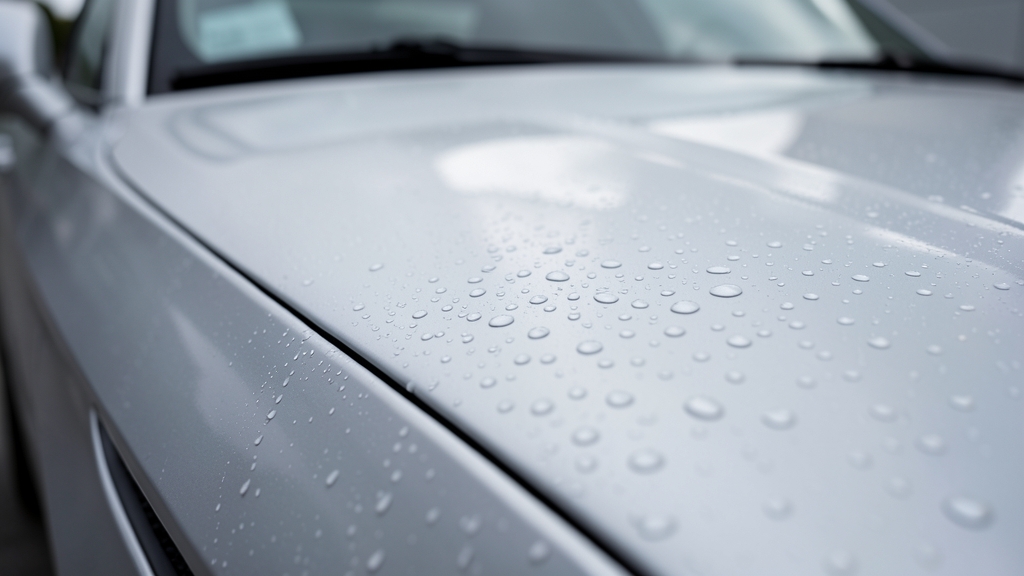
Ceramic coating isn’t just a wax alternative—it’s a semi-permanent shield for your vehicle’s paint. At our Valrico shop, we follow a meticulous process to ensure maximum adhesion and longevity. Here’s exactly what to expect, from prep to final cure.
Why Valrico Drivers Choose Ceramic Coating
Florida’s intense sun, humidity, and sudden rain showers take a toll on vehicle paint. Ceramic coatings create a hydrophobic barrier that repels water, contaminants, and UV rays far better than traditional sealants.
For drivers in Valrico, Brandon, or Bloomingdale, this means less oxidation, fewer water spots, and easier cleaning after those afternoon thunderstorms.
Step 1: Thorough Vehicle Wash and Decontamination
We start with a deep clean to remove all surface contaminants. This isn’t your average car wash—we use pH-balanced shampoos and iron-removing sprays to lift embedded brake dust and industrial fallout.
A clay bar treatment follows to pull microscopic debris from the clear coat. Skipping this step risks trapping particles under the coating, causing premature failure.
Applying ceramic coating over a dirty surface voids durability claims. Even invisible contaminants can cause adhesion issues.
Step 2: Paint Correction and Polishing
Not all swirls and scratches can be hidden—some must be removed. Our team uses dual-action polishers and fine abrasives to restore the paint’s clarity, ensuring a glass-smooth finish.
This step is critical for older vehicles or those with visible imperfections. In areas like Seffner or Lithia, where roads are rougher, paint correction often reveals deeper gloss.
Step 3: Final Surface Prep with IPA Wipe-Down
After polishing, we perform an isopropyl alcohol (IPA) wipe-down to remove any remaining oils or residues. This ensures the ceramic coating bonds directly to the paint, not to leftover polish or fillers.
The surface must be 100% clean and dry. Even a fingerprint can compromise adhesion, so we work in a controlled environment.
Step 4: Ceramic Coating Application
Using high-quality nano-ceramic polymers, we apply the coating in thin, even layers. Our team works in small sections to prevent premature curing, which can cause streaking or uneven protection.
For full-vehicle ceramic coating, we typically apply 1-2 base layers followed by an additional top layer for enhanced hydrophobic properties. Wheel and brake caliper ceramic coating requires separate, heat-resistant formulas.
Curing: The Most Critical Phase
Curing is where the coating chemically bonds to the paint. Initial curing takes 24-48 hours, but full hardening can take up to 30 days. During this period, the vehicle must stay dry and avoid contaminants like bird droppings or tree sap.
Valrico’s humidity can slow curing slightly, so we often recommend keeping the vehicle garaged for the first 48 hours. For fleet or commercial vehicles, we adjust schedules to accommodate downtime.
Even touchless washes can introduce water spots or chemicals that interfere with curing. Stick to gentle hand-washing with pH-neutral soap after the initial week.
Ceramic Coating vs. Paint Protection Film (PPF): Key Differences
While both protect paint, they serve different purposes. Ceramic coatings enhance gloss and repel contaminants, but they don’t protect against rock chips or deep scratches. That’s where PPF excels.
Many Valrico drivers combine both: PPF for high-impact areas (hood, bumper) and ceramic coating for the rest of the vehicle. Interior ceramic protection and ceramic window tint are popular add-ons for comprehensive defense.
| Feature | Ceramic Coating | Paint Protection Film (PPF) |
|---|---|---|
| Protection Type | Chemical barrier (UV, contaminants) | Physical barrier (scratches, chips) |
| Durability | 2-5 years (with maintenance) | 5-10 years |
| Self-Healing | No | Yes (minor scratches) |
| Gloss Enhancement | Yes (high) | Moderate |
| Maintenance | Low (hydrophobic properties) | Low (but may yellow over time) |
| Cost Factors | Vehicle size, layers, prep work | Material type, coverage area, installation complexity |
Post-Application Care and Maintenance
Ceramic coatings aren’t maintenance-free, but they drastically reduce upkeep. We recommend washing the vehicle every 2 weeks with a ceramic-safe shampoo and using a microfiber towel to dry.
Avoid automatic car washes with harsh brushes, and reapply a ceramic boost spray every 6-12 months to refresh hydrophobic properties. For Dover or Bloomingdale drivers, frequent highway travel may require more frequent touch-ups.
Ceramic Coating Maintenance Checklist
- Wash with pH-neutral car shampoo every 2 weeks
- Use a microfiber wash mitt and separate buckets for wheels
- Dry with a clean microfiber towel to prevent water spots
- Apply ceramic boost spray every 6-12 months
- Avoid wax or sealants (they can interfere with the coating)
How to Prepare Your Vehicle for Ceramic Coating Application
Proper preparation ensures excellent results and long-lasting protection.
- 1Remove Personal Items
Clear out the interior and trunk. This allows our team to access all areas, especially for interior ceramic protection or full-vehicle services.
- 2Wash the Exterior
While we perform a deep clean, arriving with a vehicle free of heavy dirt or mud speeds up the decontamination process.
- 3Address Existing Damage
Point out any chips, scratches, or paint peeling. These may require touch-up paint or additional correction before coating.
- 4Plan for Downtime
Ceramic coating requires 24-48 hours of curing time. Arrange alternative transportation if needed, especially for multi-layer applications.
- 5Avoid Modifications
Hold off on installing new accessories (e.g., decals, vinyl wraps) until after the coating is fully cured to prevent adhesion issues.
Frequently Asked Questions
How long does ceramic coating last in Valrico’s climate?
With proper maintenance, a professional ceramic coating can last 2-5 years in Florida’s climate. The intense UV exposure and humidity in Valrico may slightly reduce longevity compared to drier regions, but regular care extends its life.
Can ceramic coating be applied over existing wax or sealant?
No. All previous wax, sealants, or synthetic coatings must be fully removed before application. Our prep process includes a thorough decontamination and IPA wipe-down to ensure a clean surface for bonding.
Is paint correction necessary before ceramic coating?
Not always, but it’s highly recommended for vehicles with visible swirls, scratches, or oxidation. Paint correction ensures the coating adheres to a smooth, flawless surface, enhancing both appearance and durability.
What’s the difference between DIY and professional ceramic coating in Ceramic Coating Valrico?
DIY kits are cheaper but often lack the durability and depth of professional-grade coatings. Our team uses commercial-grade nano-ceramic polymers, precise application techniques, and controlled environments to maximize adhesion and longevity.
Can ceramic coating be applied to matte or satin paint?
Yes, but it requires a specialized matte-specific ceramic coating. Standard coatings can add unwanted gloss to matte finishes. We carry products designed to preserve the original flat or satin look.
Do you offer ceramic coating for wheels and brake calipers?
Absolutely. Wheels and brake calipers endure extreme heat and brake dust, so we use heat-resistant ceramic coatings formulated for these surfaces. This service is popular among performance vehicle owners in Brandon and Lithia.